

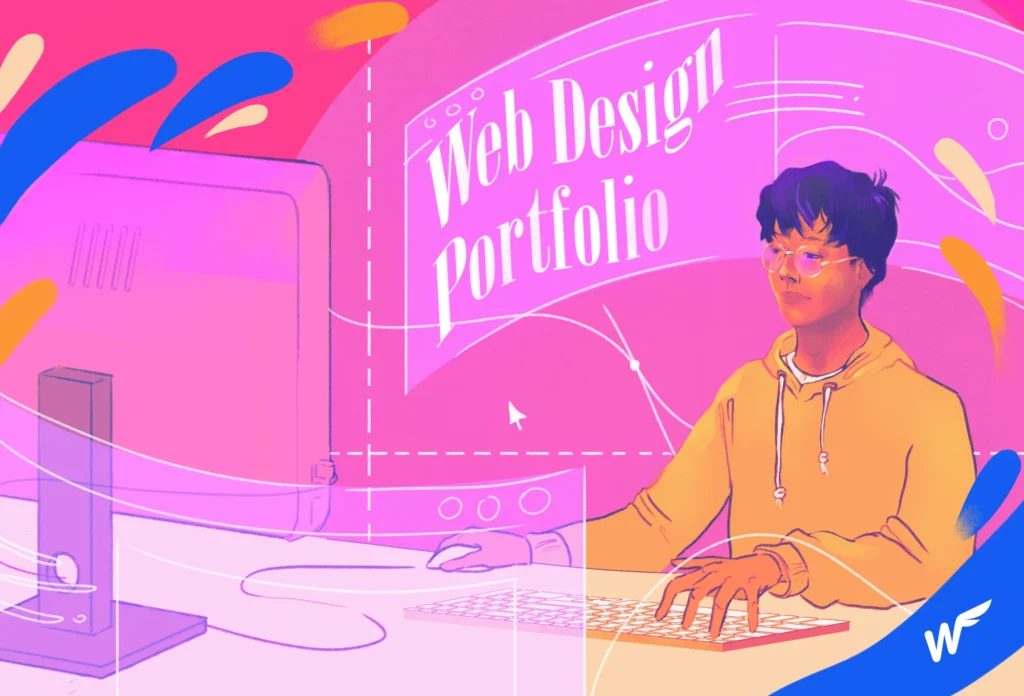
Building a Strong Design Portfolio That Gets Clients
Build a Portfolio That Attracts Clients In the world of graphic design, your portfolio isn’t just a collection of your work—it’s your most powerful marketing tool. Before a client ever speaks to you, they judge your skills, style, and professionalism through your portfolio. A strong portfolio doesn’t just showcase what you can do—it convinces clients why they should hire you.
If you want to stand out in a crowded market, your portfolio needs to do more than look good. It needs to communicate value, build trust, and tell a compelling story.Build a Portfolio That Attracts Clients
Why Your Portfolio Matters More Than Your Resume
Unlike traditional jobs, clients don’t care much about degrees or certificates. What they really want to see is proof of your ability.
Your portfolio:
- Shows your real-world skills
- Reflects your design thinking
- Builds credibility instantly
A well-crafted portfolio can win you projects—even if you’re just starting out.Build a Portfolio That Attracts Clients
Focus on Quality, Not Quantity – Build a Portfolio That Attracts Clients
One of the biggest mistakes designers make is trying to include everything they’ve ever created. A cluttered portfolio can overwhelm potential clients and dilute your best work.
Instead:
- Choose 5–10 of your strongest projects
- Highlight designs that match the type of clients you want
- Remove anything outdated or inconsistent
Think of your portfolio as a highlight reel—not an archive.
Tailor Your Portfolio to Your Ideal Clients
Not all clients are the same, and your portfolio shouldn’t try to appeal to everyone.
Ask yourself:
- Do I want to work with startups?
- Small local businesses?
- Corporate brands?
If you want to design for cafés or restaurants, include branding, menus, or social media posts related to that niche. When clients see relevant work, they’re more likely to trust you.
Show Your Process, Not Just the Final Design – Build a Portfolio That Attracts Clients
A common misconception is that clients only care about the final result. In reality, they’re equally interested in how you think.
For each project, briefly explain:
- The problem or objective
- Your approach and ideas
- The final solution
This helps clients understand your problem-solving ability, which is often more important than the visuals themselves.
Create Projects If You Don’t Have Clients Yet

No client work? No problem.
Many successful designers build strong portfolios using:
- Self-initiated projects
- Brand redesigns
- Concept designs
For example, you can redesign a popular brand or create a fictional company and build a complete identity for it. As long as your work looks professional and well-presented, it counts.
Keep Your Presentation Clean and Professional
Even great designs can lose impact if they’re poorly presented.
Make sure your portfolio is:
- Easy to navigate
- Visually clean and uncluttered
- Optimized for both desktop and mobile
Use mockups, proper spacing, and consistent formatting to give your work a polished look.
Add Testimonials and Proof of Results
If you’ve worked with clients, include their feedback. Testimonials build trust quickly and make your portfolio feel more credible.
Even better, show results like:
- Increased social media engagement
- Improved brand recognition
- Higher conversion rates
This turns your portfolio from “just designs” into real business value.
Keep Updating and Improving
Your portfolio should evolve as you grow. What impressed you a year ago may not reflect your current skill level.
Make it a habit to:
- Add new and better work
- Remove weaker projects
- Refresh your presentation style
A regularly updated portfolio shows that you’re active and improving.
Make It About the Client, Not Just You – Build a Portfolio That Attracts Clients
Here’s the most important shift: your portfolio isn’t about showing off—it’s about solving problems.
Clients are not just looking for a designer. They’re looking for someone who can:
- Understand their needs
- Communicate ideas clearly
- Deliver results
When your portfolio reflects that, it becomes a powerful tool for attracting the right clients.
Final Thoughts
Building a strong design portfolio takes time, effort, and constant refinement. But when done right, it becomes your biggest asset—one that works for you 24/7.
Start with what you have, focus on quality, and keep improving. The more intentional you are with your portfolio, the more likely it is to turn visitors into paying clients.